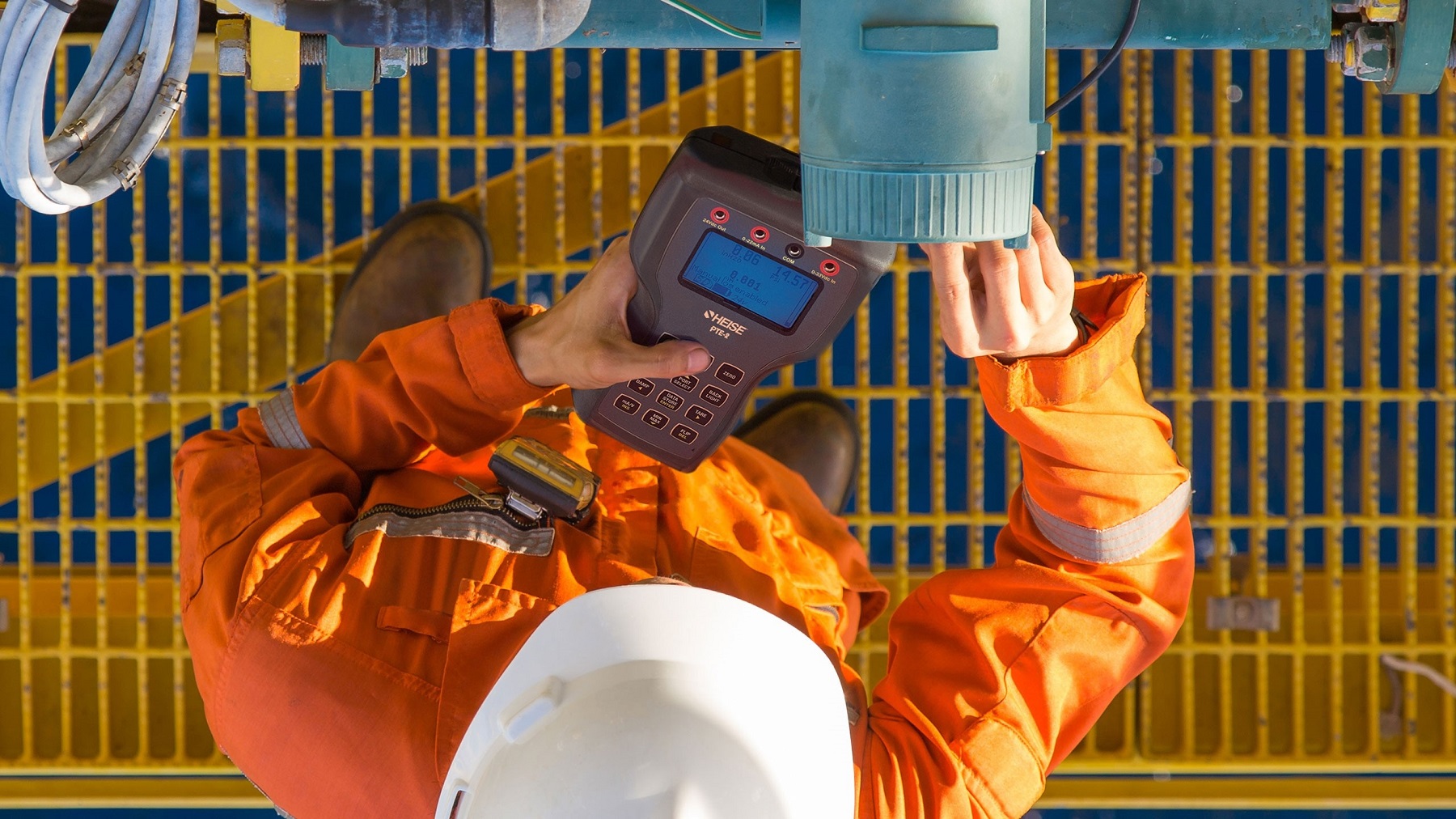

Be Confident in Your Custody Transfer Measurements

Protect your revenue and relationships with accurate, traceable measurements every time a product changes hands.

View Products Contact Us
What is Custody Transfer?

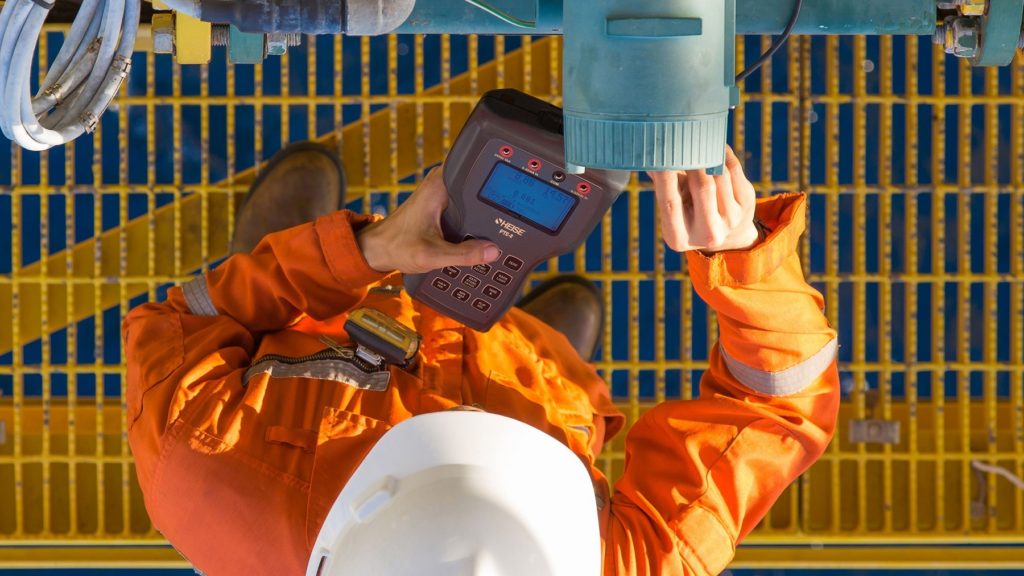
Custody transfer is the moment when ownership of a product (gas or liquid) and money moves from one party to another.

Because custody transfer payments are based on the volume being measured correctly, measurement instruments effectively serve as the cash register for every transaction.

Why accuracy matters
Measurement accuracy ensures that buyers receive what they pay for and sellers bill correctly. That simple principle is the foundation of custody transfer, and the reason strict measurement and calibration practices are essential.

Example: when you buy ten gallons of gasoline, you trust that the pump is delivering exactly ten gallons. In custody transfer, as in everyday life, you can get what you pay for. Even the smallest measurement errors can quickly turn into significant financial losses over time. The bottom line: Every financial transaction depends on the integrity of those measurements.


View Products Contact Us

What's At Risk?

Measurement accuracy in custody transfer ensures that buyers receive what they pay for and sellers bill correctly. Even a small error in measurement can create significant financial and legal consequences.

How is Flow Measured During Custody Transfer?

Whether the product is natural gas, crude oil, gaseoline or chemicals, teo primary measurement methods are used industry-wide, each requiring precise pressure and temperature input to determine delivered volume. 

Whichever method is ued, it is the accuracy of the equipment and the calibration behind it that determines whether a transaction is fair and compliant.

Electronic Flow Meters (EFMs)

EFMs calculate flow using volumetric flow rate, static line pressure and temperature. While EFMs use different physical measurement principles depending on design, they all provide high accuracy and repeatability, making them a common choice for automated custody transfer systems.

Differential Pressure (DP) Measurement relies on two components: An engineered restriction inside the pipe (the primary element) and a a differential pressure instrument measuring the pressure drop (the secondary element). Using the measured pressure differential, technicians apply Bernoulli’s equation to calculate flow.

How is Accuracy Verified through Calibration?

 In custody transfer, calibration isn’t an optional best practice; it’s a fiduciary responsibility. Many transactions fall under regulatory oversight or contract requirements that mandate strict calibration procedures. The goal of calibration is to provide trustworthy, defensible measurement data that stands up to audit scrutiny.


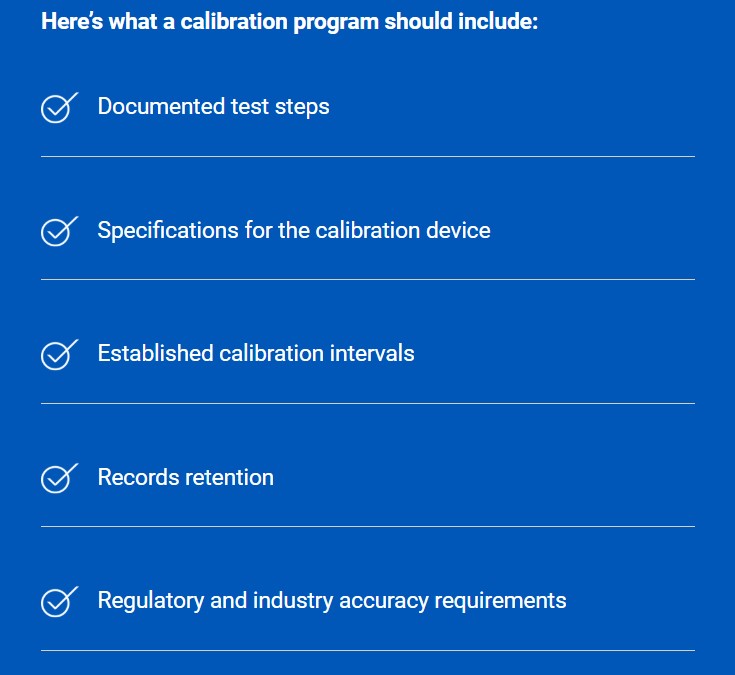
What is a proper calibration program?

Accurate calibration requires a detailed, repeatable procedure and a reliable, certified calibration instrument. Without both, errors compound over time—creating costly inaccuracies for either the buyer or the seller.
What master instrument is needed for calibration?

Calibration is only as good as the standard used to perform it. Most governing bodies recommend the standard be four times more accurate than the device under test. This ratio, known as the Test Uncertainty Ratio (TUR), helps ensure that the calibrator’s own error does not meaningfully affect results.

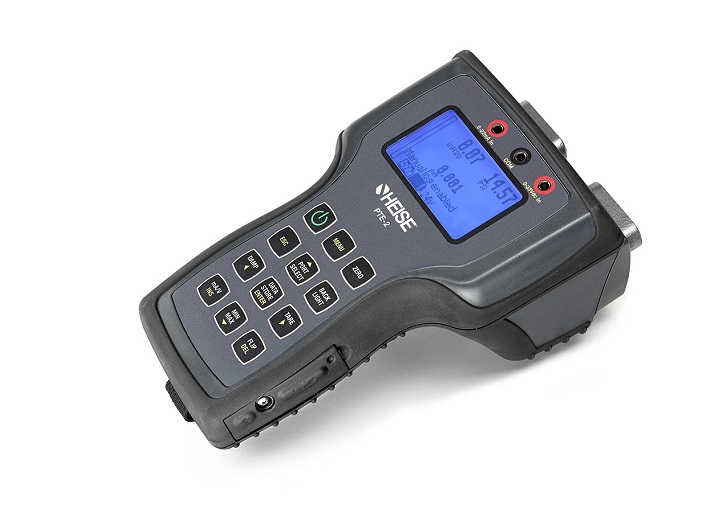
For field calibrations—especially at wellheads—technicians typically rely on handheld electronic calibrators with intrinsic safety approvals such as FM, CSA, or ATEX. One common choice is the Heise® PTE-2 (see below).

What is a wellhead calibration process?

While procedures vary by operator and equipment
type, most follow these steps:

Heise® PTE-2 Handheld Calibrator Features and Benefits

Icon

Dual sensor bays for fast swapping of pressure modules

Icon

Pressure accuracies as high as 0.025 of span

Icon

RTD and thermocouple modules for temperature

Icon

Datalogging with time-stamped records

Icon

FM/CSA/ATEX intrinsic safety ratings

Icon

NIST-traceable calibration with as-left data

Icon

Optional ISO 17025-certified calibration
View Product

Contact Heise

Heise is a trusted source for precise pressure measurement instruments around the world. Learn more about how we can help verify your most challenging product requirements where precision matters most. 

Contact Us